
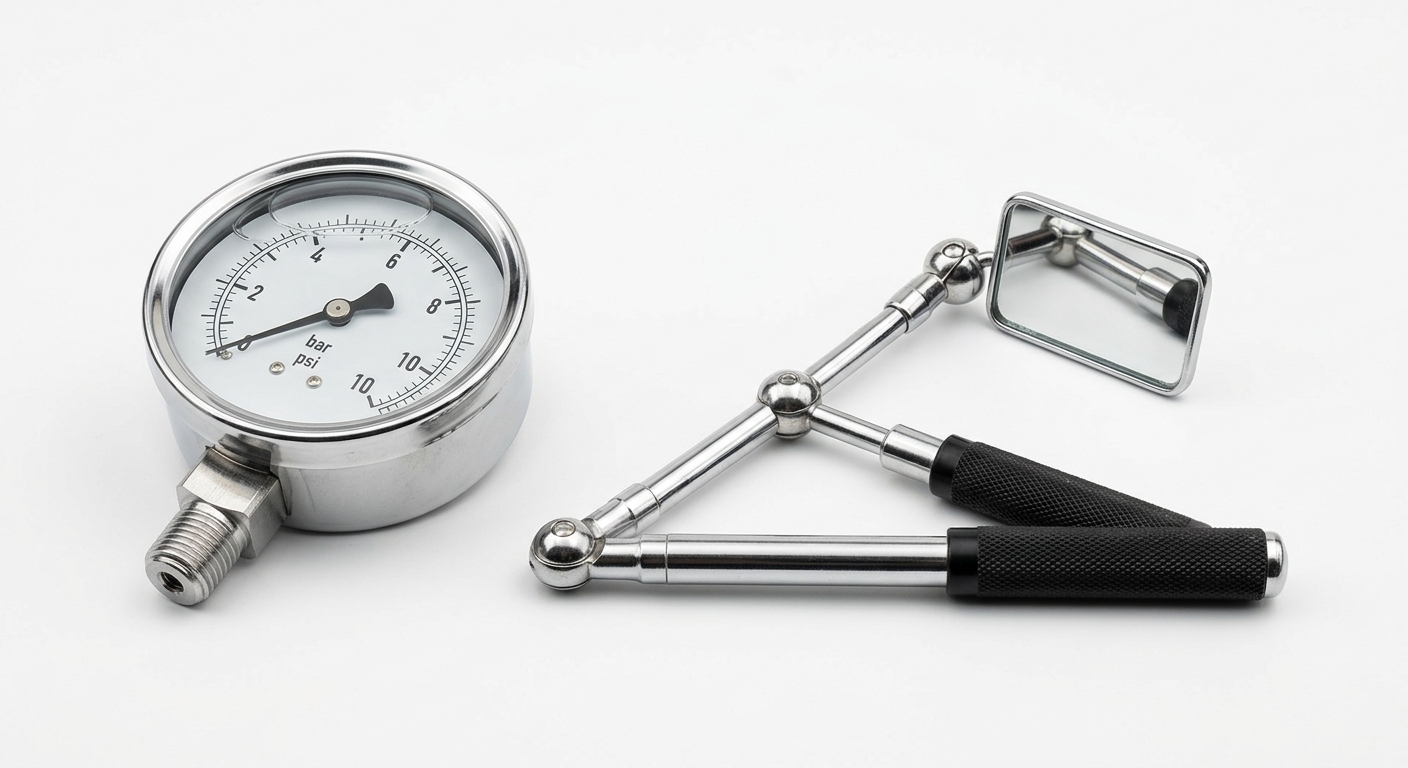
A plumbing inspection isn't just for home purchases. Whether you're buying a home, dealing with a persistent minor issue, or just want to know the condition of a system you've never had checked, understanding what an inspection actually covers helps you know what you're paying for and why it matters.
What a Full Plumbing Inspection Covers
A thorough inspection typically includes:
- Visual inspection of all accessible pipes — under sinks, in the attic, in the garage, and anywhere else supply and drain lines are visible
- Water pressure testing at multiple fixtures to identify pressure inconsistencies that can indicate partial blockages or leaks
- Water heater assessment — age, condition, signs of corrosion or sediment buildup, and whether the unit is nearing the end of its typical 8-12 year lifespan
- Fixture and faucet check for leaks, drips, and proper drainage
- Sewer line camera inspection (sometimes offered as an add-on) — this is the only reliable way to assess the condition of the underground sewer line without excavation
- Water heater pressure relief valve testing, a safety component that's easy to overlook but important to function correctly
- Visible pipe material identification — flagging galvanized steel or polybutylene piping if present, since these materials carry known failure risks
When You Actually Need One
Buying a home: A plumbing-specific inspection is worth getting in addition to (not instead of) a general home inspection, particularly for homes over 20 years old or in neighborhoods known for older piping. General home inspectors check plumbing at a surface level; a licensed plumber goes deeper.
Before a major purchase or renovation: If you're about to invest in new flooring, cabinetry, or finishes, confirming there isn't a hidden leak or pipe issue first protects that investment.
After noticing minor symptoms: Slightly lower water pressure, an occasional gurgle, or a water bill that seems higher than usual are all reasons to get ahead of a problem rather than wait for it to become obvious.
Homes with known risk factors: Homes built in the polybutylene era (roughly 1978-1995) or homes with original galvanized supply lines benefit from a baseline inspection even with no current symptoms, simply because the failure mode for these materials is often sudden.
Periodically, even with no symptoms: Many plumbers recommend a baseline inspection every 2 years for older homes, since catching corrosion or wear early is dramatically cheaper than dealing with a failure.
What It Costs
A standard plumbing inspection in Tampa Bay typically runs $150-$300, with sewer line camera inspection as a $200-$400 add-on if not already included. Compared to the cost of a single emergency repair — let alone water damage from an undetected leak — this is inexpensive insurance.
What Happens After
A good inspection report doesn't just list problems — it prioritizes them. A reputable plumber will distinguish between issues that need immediate attention (active leaks, safety concerns like a malfunctioning pressure relief valve) and issues worth monitoring or planning for over time (early-stage corrosion, an aging but functional water heater). Be wary of an inspection that comes back with a long list of "urgent" recommendations with no distinction in severity — that's a common sign of a sales-driven inspection rather than an objective one.
The Bottom Line
A plumbing inspection is one of the highest-value, lowest-cost things a homeowner can do, whether you're buying a home, dealing with early symptoms, or simply want a clear picture of an aging system's condition. The cost is modest, and the information is genuinely useful for planning repairs or budgeting for future work before anything becomes an emergency.