
A plumbing emergency is any situation where water damage is actively happening or about to happen, and waiting until morning isn't an option. Understanding what qualifies as an emergency, what you can do immediately, and what to expect from an emergency plumber helps you make better decisions in a stressful situation.
What Counts as a Plumbing Emergency
Definite emergencies:
- Burst or actively leaking pipe. Every minute counts — water damage compounds rapidly.
- Sewage backup into the home. This is a health hazard, not just a plumbing problem.
- No hot water in winter (less relevant in Tampa Bay, but still an issue for elderly or infirm residents).
- Gas leak from a water heater or gas line. This is a 911 situation, not a plumber situation. Evacuate and call the gas company.
- Water heater actively flooding. The tank or a connection has failed and water is pouring out.
Not emergencies (call during normal business hours):
- Slow drain. Annoying, but not urgent.
- Running toilet. Wasteful, but not damaging.
- Low water pressure. Uncomfortable, but not an emergency.
- Faucet drip. Annoying, wasteful, but not urgent.
What to Do Before the Plumber Arrives
For a burst or leaking pipe:
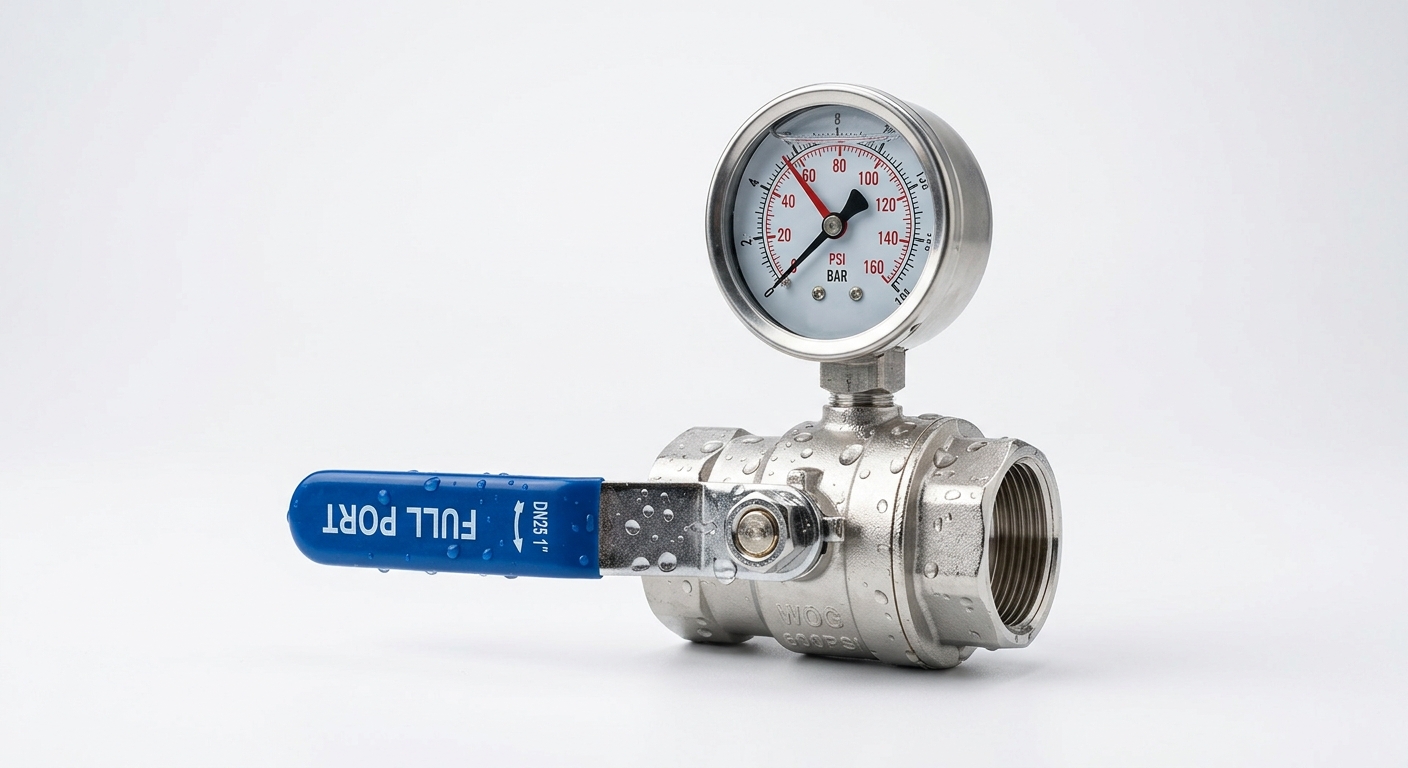
- Shut off the water. Every home has a main shut-off valve — know where it is before you need it. In Tampa Bay homes, it's typically near the water heater, in a closet, or by the street-side wall.
- Open cold faucets to drain remaining water from the lines and reduce pressure.
- Contain the water with towels, buckets, or a wet/dry vacuum if you have one.
- Turn off electricity to any affected areas if water is near outlets or appliances.
For a sewage backup:
- Stop using all water. Don't flush toilets, run sinks, or run the washing machine.
- Turn off the main water supply if the backup is severe.
- Avoid contact with sewage. It's a biohazard.
For a flooding water heater:
- Shut off the water to the heater (cold supply valve on top).
- For gas units: Turn the gas valve to "off."
- For electric units: Turn off the circuit breaker.
- Contain the water and call for help.
What to Expect From an Emergency Plumber
Emergency service calls carry a premium — typically 1.5x to 2x your normal hourly rate, plus a trip charge. This is standard across the trade, not a Tampa Bay-specific markup. The premium covers the off-hours availability, the immediate dispatch, and the fact that the plumber is leaving whatever they're doing to come to your house.
A reputable emergency plumber will:
- Answer the phone (or an answering service) 24/7
- Give you a realistic arrival window
- Diagnose the problem before starting work
- Give you a cost estimate before beginning repairs
- Fix the immediate problem — they may recommend follow-up work for things that aren't urgent
Be wary of plumbers who refuse to give an estimate before starting work, or who quote a flat "emergency rate" without explaining what's actually being done.
Reducing Your Risk of Plumbing Emergencies
- Know where your main water shut-off is and make sure it actually turns off. Test it once a year.
- Replace supply lines every 5-7 years. Braided stainless steel supply lines under sinks and behind toilets are the most common source of surprise pipe failures. They look fine on the outside until they don't.
- Have your water heater inspected annually. A failing tank is usually predictable — rust, sediment buildup, or failing valves give warning before a catastrophic failure.
- Install a water leak detector near your water heater, under kitchen and bathroom sinks, and near the washing machine. These are $30-50 devices that alert your phone when they detect moisture.