
Slow drains are one of the most common plumbing complaints, and they're also one of the most misunderstood. A slow kitchen sink drain and a slow main sewer line both present as "water isn't going down fast enough," but the causes, solutions, and costs are completely different.
The Most Common Causes of Slow Drains
Kitchen sinks. Grease and fat solidify inside pipes as they cool, building up layer by layer over time. Food particles, soap scum, and mineral deposits from hard water add to the buildup. This is the most frequently recurring drain issue because it's easy to ignore until the drain is nearly blocked.
Bathroom sinks and showers. Hair is the primary culprit in bathroom drains, combined with soap scum and mineral buildup from Tampa Bay's hard water. Hair binds with soap scum to create a mesh that catches everything else — toothpaste, skin cells, shaving debris — making the clog progressively worse over time.
Floor drains. These go slow most often because they're not used frequently enough. The P-trap dries out, sewer gas enters the home, and debris settles and hardens in the pipe.
Main sewer line. Tree root intrusion is the number one cause of main line problems in Tampa Bay. Roots are attracted to the moisture and nutrients in sewer lines, and they grow into even tiny cracks or joint gaps. Once inside, they trap everything that flows through the pipe and create a progressive blockage.
Snaking vs. Hydro Jetting: What's Right For You
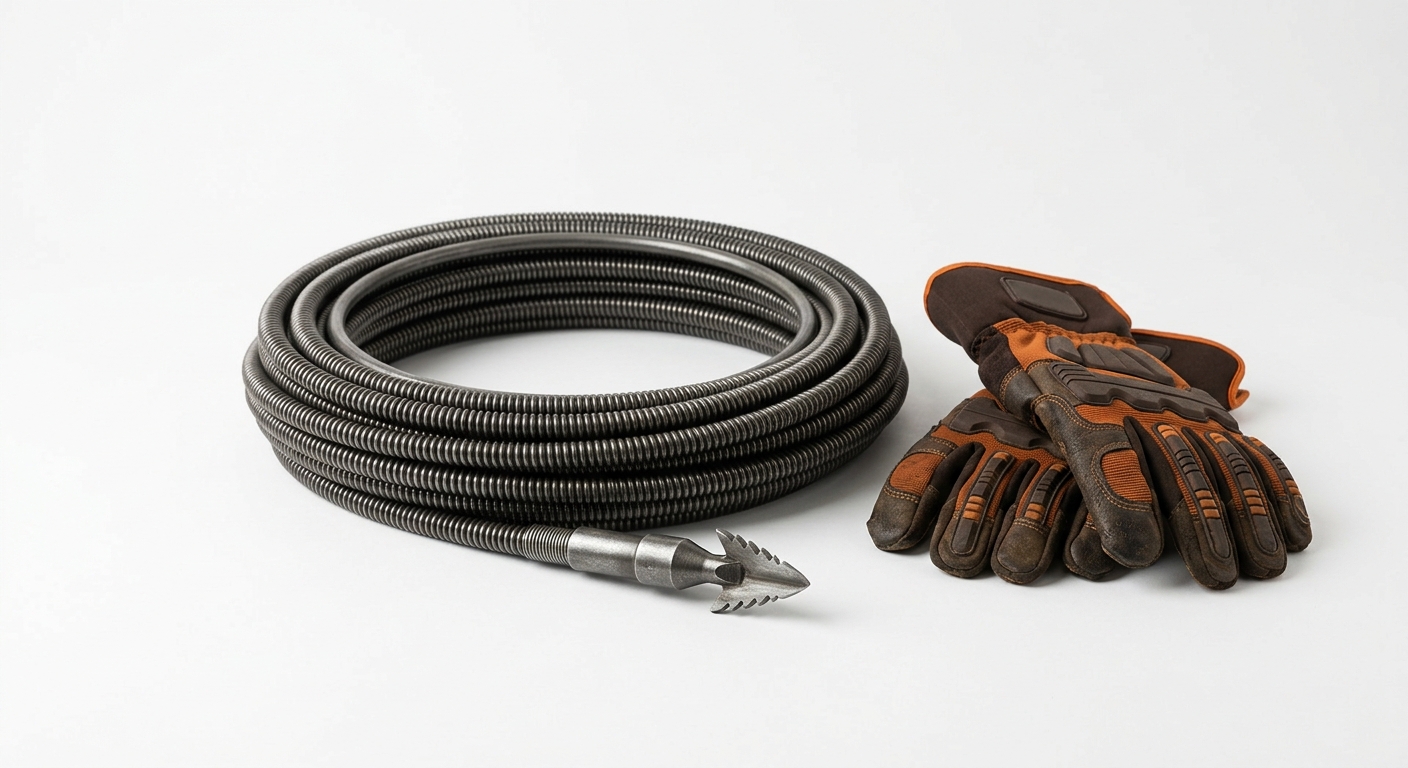
Drain snaking uses a flexible metal cable with a cutting head that's fed into the drain to break up or retrieve the clog. It's effective for localized, accessible clogs — a kitchen sink P-trap, a bathroom vanity drain, a toilet blockage. It's also the standard approach for clearing root intrusion from a main line, though the roots typically grow back within 1-2 years because snaking only cuts through them without cleaning the pipe wall.
Hydro jetting uses a specialized nozzle on a flexible hose that delivers water at 1,500-4,000 PSI. The water cuts through grease, scale, root mass, and everything else stuck to the pipe wall, restoring the pipe to near-original interior diameter. Hydro jetting is more expensive than snaking ($300–$500 vs. $100–$350) but it addresses the root cause rather than just the symptom, and the results last significantly longer.
For a single slow sink, snaking is usually sufficient. For recurring main line issues — especially with tree root intrusion — hydro jetting is the better long-term investment.
When a "Slow Drain" Is Actually a Bigger Problem
Not every slow drain is a simple clog. Some symptoms suggest a more serious issue:
- Multiple fixtures draining slowly at the same time — this points to a main line blockage, not individual fixture clogs
- Gurgling sounds from other fixtures when you run water — indicates a venting problem or main line obstruction
- Sewage odors — suggests a broken seal, dry P-trap, or cracked pipe
- Soggy patches in the yard near the sewer line path — could indicate a broken or collapsed line
If you're experiencing any of these, a video camera inspection is the right next step. It costs $200–$400 but tells you exactly what's going on inside your pipes without any guesswork or destructive testing.
Preventing Drain Problems
- Kitchen: Never pour grease down the drain. Use a strainer to catch food particles. Run hot water while and after using the garbage disposal.
- Bathroom: Use drain screens in showers and sinks. Clean hair from screens regularly. Avoid pouring hair down the drain.
- Main line: If you have mature trees near your sewer line, schedule periodic hydro jetting (every 18-24 months) as preventive maintenance. It's far cheaper than emergency main line repair.
- General: Avoid chemical drain cleaners. They don't remove the cause of the clog, they damage pipes over time, and they make professional drain cleaning more difficult and dangerous.